

Competition is a driving force that shapes the dynamics of any market, and the industrial ceramics market is no exception. As an industrial ceramics supplier, I've witnessed firsthand how competition influences various aspects of this specialized industry. In this blog, I'll delve into the effects of competition on the industrial ceramics market, exploring both the positive and negative impacts.
Positive Effects of Competition
1. Innovation and Product Development
Competition spurs innovation in the industrial ceramics market. When multiple suppliers are vying for market share, they are constantly looking for ways to differentiate their products. This often leads to the development of new and improved ceramic materials and products. For example, in the pursuit of better performance and efficiency, companies may invest in research and development to create ceramics with enhanced mechanical properties, higher heat resistance, or improved chemical stability.
As a supplier, I'm always on the lookout for innovative solutions to meet the evolving needs of my customers. This drive for innovation has allowed us to introduce products like Hollow Ceramic Tubes, which offer unique advantages in applications such as heat exchangers and filtration systems. These tubes are designed to provide high strength and excellent thermal insulation, making them a popular choice among customers in various industries.
2. Quality Improvement
Competition also forces suppliers to focus on quality. In a competitive market, customers have more options to choose from, and they are likely to select products that offer the best quality at a reasonable price. As a result, suppliers are motivated to maintain high-quality standards in their manufacturing processes. This includes using advanced production techniques, implementing strict quality control measures, and continuously improving product performance.

At our company, we understand the importance of quality in the industrial ceramics market. We have invested in state-of-the-art manufacturing facilities and a team of experienced quality control professionals to ensure that our products meet or exceed industry standards. Our Macor Tube is a prime example of our commitment to quality. Macor is a machinable glass ceramic that offers excellent mechanical and thermal properties. It can be precision-machined into complex shapes, making it suitable for a wide range of applications in the aerospace, electronics, and medical industries.
3. Price Competitiveness
One of the most visible effects of competition is price competitiveness. When there are multiple suppliers in the market, they often engage in price competition to attract customers. This can lead to lower prices for consumers, which is beneficial for businesses that rely on industrial ceramics in their production processes. Lower prices can also make industrial ceramics more accessible to smaller companies and emerging industries, driving further growth in the market.
As a supplier, we strive to offer competitive prices without compromising on quality. We achieve this by optimizing our production processes, negotiating favorable terms with our suppliers, and continuously looking for ways to reduce costs. By offering cost-effective solutions, we are able to attract a diverse range of customers and maintain a competitive edge in the market.
4. Customer Service Enhancement
In a competitive market, customer service becomes a key differentiator. Suppliers need to provide excellent customer service to build long-term relationships with their customers and gain a competitive advantage. This includes offering personalized solutions, providing timely technical support, and ensuring prompt delivery of products.
At our company, we prioritize customer service and go the extra mile to meet the needs of our customers. We have a dedicated customer service team that is available to answer questions, provide product recommendations, and resolve any issues that may arise. We also offer flexible delivery options and short lead times to ensure that our customers receive their orders on time. By providing exceptional customer service, we have been able to build a loyal customer base and establish a strong reputation in the industrial ceramics market.
Negative Effects of Competition
1. Profit Margin Pressure
While competition can lead to price competitiveness and increased market share, it can also put pressure on profit margins. When suppliers engage in price competition, they may be forced to lower their prices to stay competitive. This can result in reduced profit margins, especially for smaller companies with limited resources. In some cases, intense competition may even lead to price wars, where suppliers continuously cut prices to gain market share, which can be detrimental to the overall profitability of the industry.
As a supplier, we are constantly aware of the profit margin pressure in the market. To mitigate this risk, we focus on differentiating our products through innovation and quality, rather than relying solely on price competition. We also look for opportunities to increase efficiency and reduce costs in our operations to maintain healthy profit margins.
2. Market Saturation
Another potential negative effect of competition is market saturation. When there are too many suppliers in the market, the supply of industrial ceramics may exceed the demand. This can lead to overcapacity and price erosion, as suppliers struggle to sell their products. Market saturation can also make it difficult for new entrants to break into the market, as they face intense competition from established players.
To avoid market saturation, we closely monitor market trends and demand patterns. We focus on niche markets and applications where there is less competition and where our products can offer unique value. We also invest in marketing and sales efforts to promote our products and differentiate ourselves from our competitors.
3. Intellectual Property Challenges
In a competitive market, intellectual property (IP) protection becomes crucial. Suppliers invest a significant amount of time and resources in research and development to create innovative products and technologies. However, in a highly competitive environment, there is a risk of IP infringement, as competitors may try to copy or reverse-engineer new products.
To protect our intellectual property, we have implemented a comprehensive IP strategy. This includes filing patents for our innovative products and technologies, trademarking our brand names and logos, and enforcing our IP rights through legal means. We also work closely with our customers and partners to ensure that our IP is respected and protected.
Navigating the Competitive Landscape
As an industrial ceramics supplier, it's important to navigate the competitive landscape effectively. Here are some strategies that we use to stay competitive in the market:
1. Focus on Core Competencies
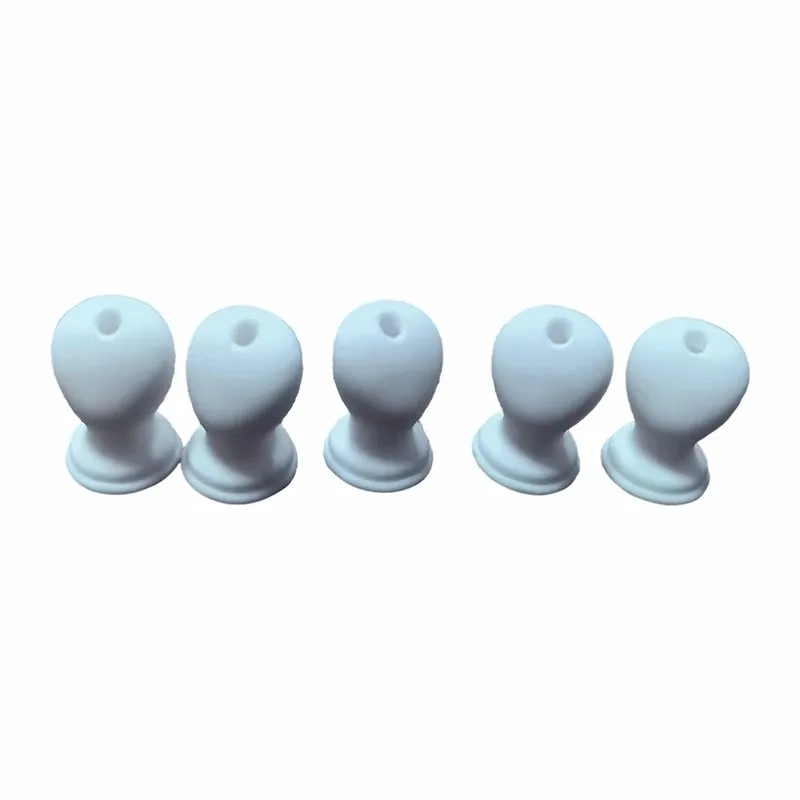
We focus on our core competencies and specialize in areas where we have a competitive advantage. This allows us to offer high-quality products and services that meet the specific needs of our customers. For example, we have expertise in the manufacturing of Ceramic Massage Head, which are used in the beauty and wellness industry. By focusing on this niche market, we are able to differentiate ourselves from our competitors and build a strong reputation in this area.
2. Build Strategic Partnerships
We build strategic partnerships with other companies in the industry to expand our product offerings and reach new customers. This includes partnering with raw material suppliers, distributors, and technology providers. By working together, we can leverage each other's strengths and resources to create innovative solutions and grow our businesses.
3. Continuous Learning and Improvement
We believe in continuous learning and improvement. We stay updated on the latest industry trends, technologies, and best practices through attending conferences, participating in training programs, and collaborating with industry experts. This allows us to adapt to changing market conditions and stay ahead of the competition.
4. Customer-Centric Approach
We take a customer-centric approach to our business. We listen to our customers' needs and feedback, and we strive to provide them with the best possible solutions. By building strong relationships with our customers, we are able to understand their pain points and develop products and services that address their specific challenges.
Conclusion
Competition has both positive and negative effects on the industrial ceramics market. While it drives innovation, quality improvement, price competitiveness, and customer service enhancement, it also poses challenges such as profit margin pressure, market saturation, and intellectual property issues. As an industrial ceramics supplier, it's important to understand these effects and develop strategies to navigate the competitive landscape effectively.
If you're interested in learning more about our industrial ceramics products or would like to discuss your specific requirements, please don't hesitate to contact us. We look forward to the opportunity to work with you and provide you with high-quality ceramic solutions that meet your needs.
References
- Porter, M. E. (1980). Competitive Strategy: Techniques for Analyzing Industries and Competitors. Free Press.
- Kotler, P., & Armstrong, G. (2010). Principles of Marketing. Pearson Prentice Hall.
- Industrial Ceramics Market Research Reports. Various industry research firms.